computer

40 Years of the Amiga, From Commodore

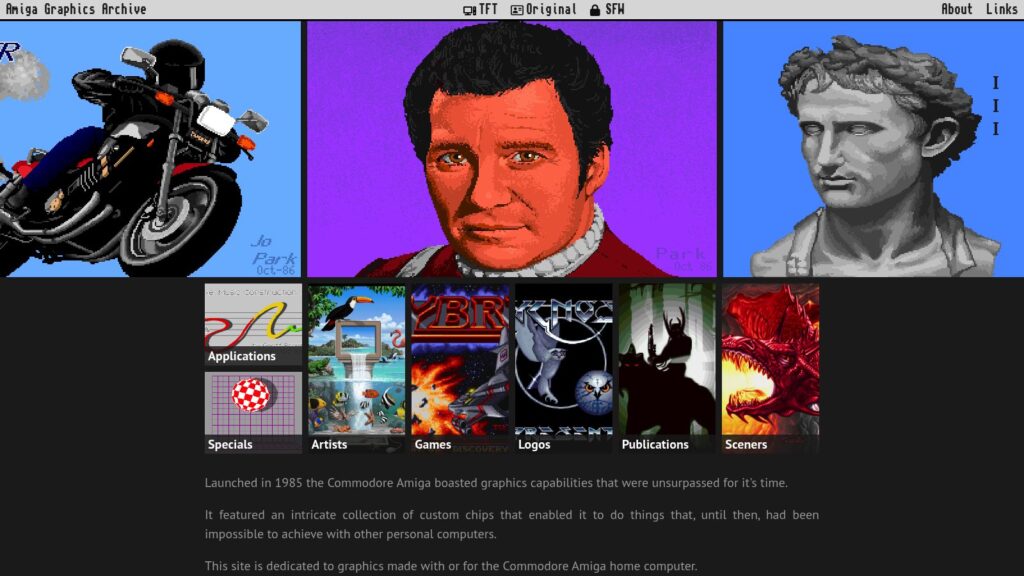
Commodore Amiga launched in 1985, designed by Jay Miner after leaving Atari. Initially planned as a game system, it pivoted to a computer due to the industry crash. After financial struggles, Commodore acquired Amiga for $27M. The Amiga 1000, with advanced graphics, launched at a high price, leading to slow initial sales. It saw success with the later, cost-effective Amiga 500 and 2000 models. Despite its innovations, Commodore faced bankruptcy in 1994 amidst industry changes. Comparisons with Atari ST highlight distinct preferences, with the Amiga known for gaming and creative use, while Atari offered lower prices and practicality.

https://www.goto10retro.com/p/40-years-of-the-amiga-from-commodore

40 Years of the Amiga, From Commodore Read More »

The Tandy Corporation, Part 1

TLDR: The Tandy Corporation began in 1919 as a leather company, evolving under Charles Tandy. By acquiring Radio Shack in 1963, Tandy shifted focus to electronics, leading to the successful TRS-80 computer launch in 1977, which dominated the microcomputer market. Charles Tandy’s leadership established Tandy Corporation as a major player in retail and electronics before his death in 1978.

https://www.abortretry.fail/p/the-tandy-corporation-part-1

The Tandy Corporation, Part 1 Read More »

Restoring a ZX Spectrum+ Toastrack

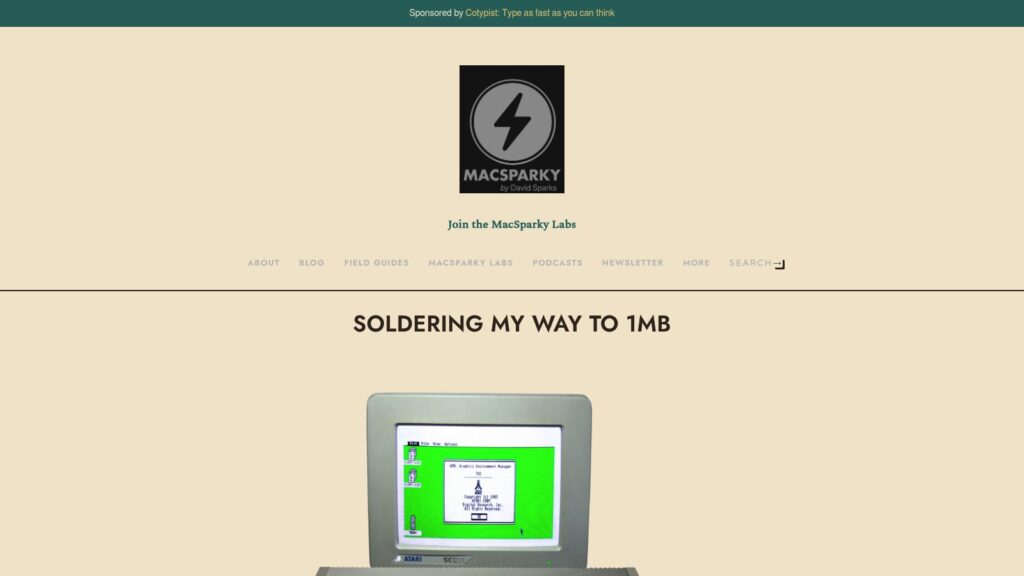
Restoring a ZX Spectrum+ Toastrack: Celso Martinho discusses his efforts to restore a ZX Spectrum 128K Toastrack, sharing childhood memories and detailing the restoration process. Initially assessing the device’s condition, he made various repairs, including reflowing solder, upgrading the power regulator to a DC-DC Buck converter, cleaning the edge connector, improving video signal quality, and replacing the keyboard membrane. He also switched to HDMI video output for better quality. After enhancements, the restored Toastrack is now fully operational and ready for use.

https://celso.io/posts/2025/06/28/toastrack/

Restoring a ZX Spectrum+ Toastrack Read More »

Computer Replicas as Time Capsules

Computer Replicas as Time Capsules: Obsolescence Guaranteed creates functional replicas of historic computers, preserving their legacy through hands-on experiences. Projects span significant milestones in computing history from the 1950s to 1970s, focusing on interactive computing and foundational technologies. Future projects aim to explore earlier computing innovations, ensuring the preservation of computer history.

https://obsolescence.dev/

Computer Replicas as Time Capsules Read More »

Iconic Compute!’s Gazette Magazine Returns After 35 Years, Expanding Focus to Entire Retro Computing Community

Compute!’s Gazette, a foundational magazine for Commodore 64 enthusiasts, returns after 35 years under COMPUTE! Publications, debuting in July 2025. Founded by Edwin Nagle, it will expand its focus to the broader retro computing community. Nagle, inspired by childhood memories and a desire to connect retro enthusiasts, aims to offer both digital and print editions monthly, emphasizing tangible experiences. Pre-orders for the first issue are now available at computesgazette.com.

https://www.computesgazette.com/iconic-computes-gazette-magazine-returns-after-35-years-expanding-focus-to-entire-retro-computing-community/

Iconic Compute!’s Gazette Magazine Returns After 35 Years, Expanding Focus to Entire Retro Computing Community Read More »

33-year-old AmigaOS for Commodore Computers Gets an Unexpected Update

AmigaOS 3.2.3, an update for the classic operating system for Commodore computers, has been released by Hyperion Entertainment, featuring over 50 fixes and enhancements. This update continues the legacy of AmigaOS, originally launched in 1992, and improves features like the ReAction GUI toolkit and TextEditor. Users can obtain the update for free if they own AmigaOS 3.2, with it also supporting retro hardware.

https://www.tomshardware.com/software/operating-systems/33-year-old-amigaos-for-commodore-computers-gets-an-unexpected-update

33-year-old AmigaOS for Commodore Computers Gets an Unexpected Update Read More »

The Curious Case of Jupiter Ace

Jupiter Ace, launched in 1982 by Jupiter Cantab Limited, used Forth instead of BASIC, which contributed to its failure despite Forth being technically superior for serious software development. BASIC was popular due to its interactivity and familiarity, making it essential for home computers. The Ace was outdated with only 3KB of RAM and basic graphics, while competitors like the ZX Spectrum offered more memory and color. Forth’s implementation made the Ace unique, but it mainly appealed to Forth enthusiasts. Ultimately, basic user needs were for simple program loading, leading to the Ace’s commercial failure.

https://nemanjatrifunovic.substack.com/p/the-curious-case-of-jupiter-ace

The Curious Case of Jupiter Ace Read More »

A USB Interface to the “Mother of All Demos” Keyset

USB interface created for Engelbart’s 1968 keyset, part of his “Mother of All Demos.” Engelbart revolutionized computing with innovations like the mouse and GUI, showcasing them at a conference but the keyset was less successful. The author created a modern USB interface for the keyset, detailing technical aspects and challenges. The term “Mother of All Demos” originated from a 1991 Intel presentation, later retroactively applied to Engelbart’s demo. Engelbart’s work faced long-term neglect, but eventually gained recognition, influencing future technology.

https://www.righto.com/2025/03/mother-of-all-demos-usb-keyset-interface.html

A USB Interface to the “Mother of All Demos” Keyset Read More »

Scroll to Top