history

BigBoxCollection: High-res 3D Boxes of Over 1,000 Games From 1982 to Today
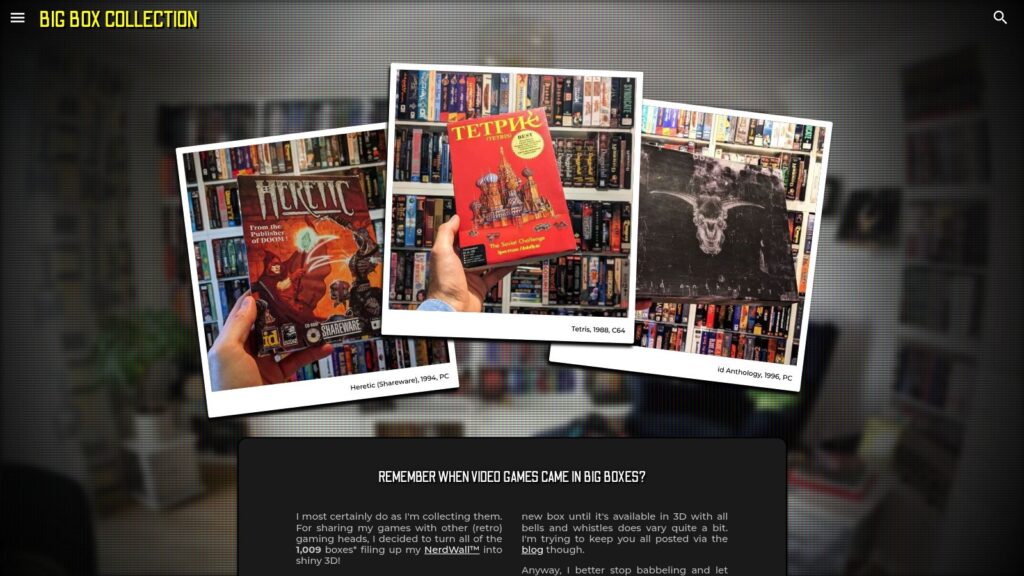
Big Box Collection features 1,009 retro game boxes in 3D, with interactive zooming and rotation. Managed by Benjamin in his spare time, the site is periodically updated, showcasing 3D models for users to explore, including gatefold and sleeve covers. Blog updates announce new additions and developments in the collection. The website celebrates gaming history with a focus on physical box art, aiming to share and preserve it.

https://bigboxcollection.com/

BigBoxCollection: High-res 3D Boxes of Over 1,000 Games From 1982 to Today Read More »
40 Years of the Amiga, From Commodore

Commodore Amiga launched in 1985, designed by Jay Miner after leaving Atari. Initially planned as a game system, it pivoted to a computer due to the industry crash. After financial struggles, Commodore acquired Amiga for $27M. The Amiga 1000, with advanced graphics, launched at a high price, leading to slow initial sales. It saw success with the later, cost-effective Amiga 500 and 2000 models. Despite its innovations, Commodore faced bankruptcy in 1994 amidst industry changes. Comparisons with Atari ST highlight distinct preferences, with the Amiga known for gaming and creative use, while Atari offered lower prices and practicality.

https://www.goto10retro.com/p/40-years-of-the-amiga-from-commodore

40 Years of the Amiga, From Commodore Read More »

The Tandy Corporation, Part 1

TLDR: The Tandy Corporation began in 1919 as a leather company, evolving under Charles Tandy. By acquiring Radio Shack in 1963, Tandy shifted focus to electronics, leading to the successful TRS-80 computer launch in 1977, which dominated the microcomputer market. Charles Tandy’s leadership established Tandy Corporation as a major player in retail and electronics before his death in 1978.

https://www.abortretry.fail/p/the-tandy-corporation-part-1

The Tandy Corporation, Part 1 Read More »

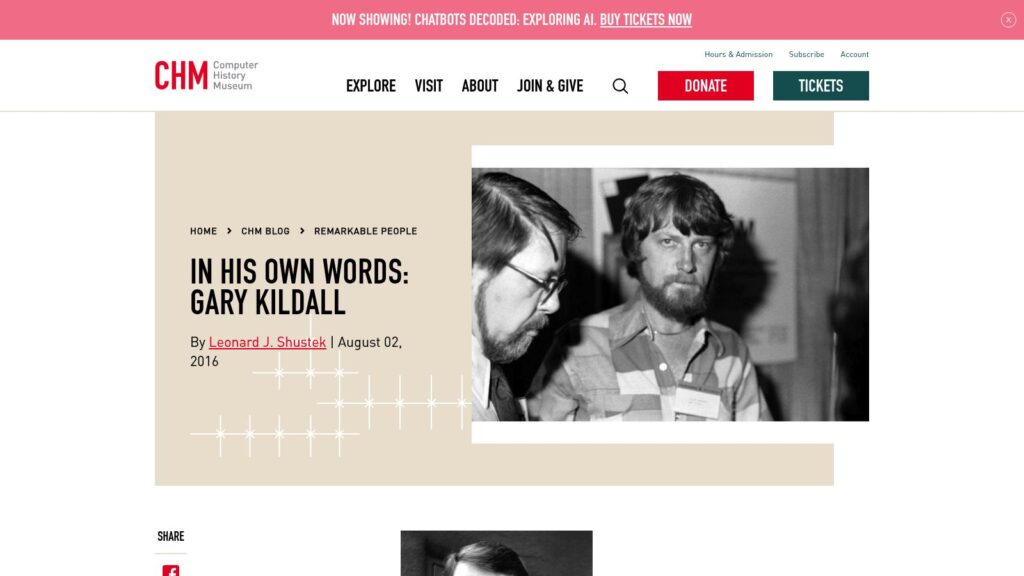
In His Own Words: Gary Kildall

Gary Kildall, a pioneer of personal computer software, created CP/M, a dominant operating system, and founded Digital Research with his wife. Despite his contributions, including programming tools and the first CD-ROM, he remains relatively unknown. Kildall’s unpublished memoir provides insights into his vision for personal computing and his innovative spirit, emphasizing sharing ideas over profit. His legacy, shaped by personal and professional choices, highlights a different definition of success. Kildall balanced family life with work, leaving a lasting impact on the tech industry.

https://computerhistory.org/blog/in-his-own-words-gary-kildall/

In His Own Words: Gary Kildall Read More »

Frame of Preference

Extreme TLDR:

Designer Marcin Wichary reflects on Mac settings from 1984-2004, celebrating their evolution while critiquing design inconsistencies and usability struggles. Early panels were simple, charming, and user-friendly but grew cluttered and complex over the years, responding to technological advances and user demands. Key themes include the balance between aesthetics and functionality, the influence of Windows, and the challenges of maintaining design integrity in an expanding interface.

https://aresluna.org/frame-of-preference/

Frame of Preference Read More »

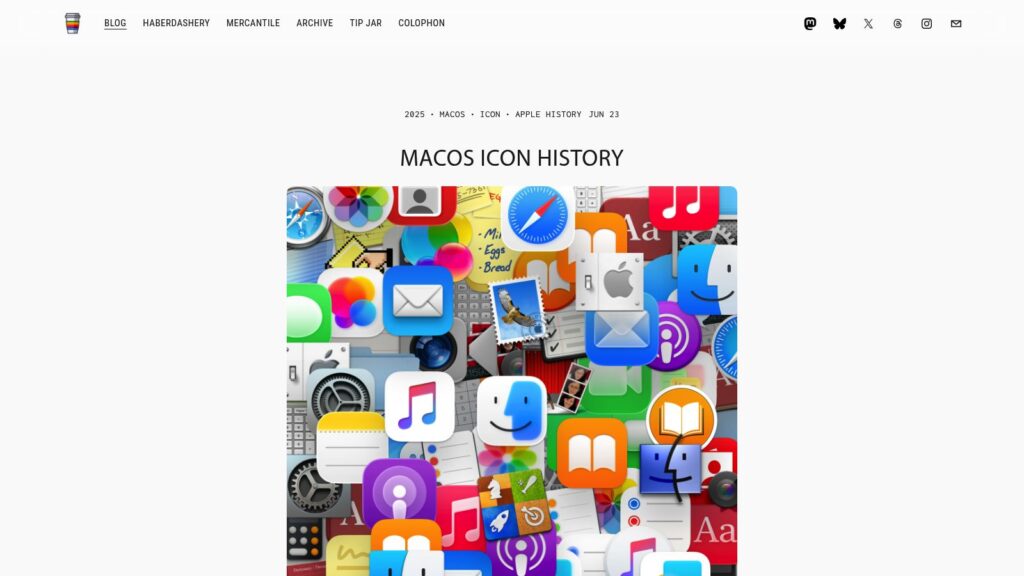
macOS Icon History — Basic Apple Guy

macOS icon history is chronicled, highlighting the transition to a new “Liquid Glass” design with macOS 26. Icons are rounded and no longer extend beyond their rectangles. A collection capturing the evolution of system icons will be updated throughout the summer, excluding beta icons. Recent updates include various applications added in June and July 2025.

https://basicappleguy.com/basicappleblog/macos-icon-history

macOS Icon History — Basic Apple Guy Read More »

Scroll to Top