Evolution of the Scrollbar
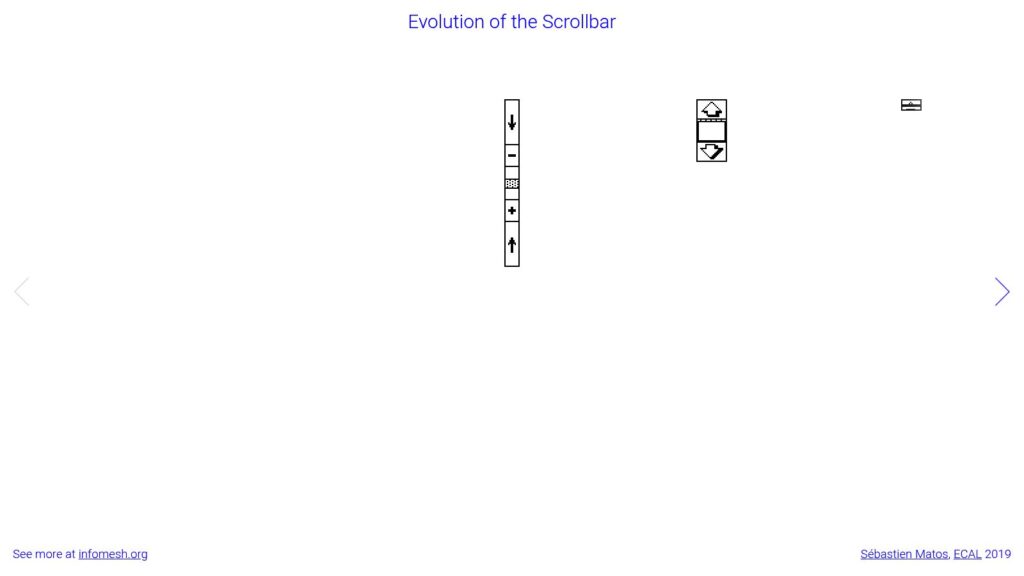
Scrollbar evolution timeline from 1981 (Xerox Star) to 2015 (Windows 10), with links to historical OS versions.
Evolution of the Scrollbar Read More »
Classic Computers, Enduring Ideas
Classic Computers, Enduring Ideas
Scrollbar evolution timeline from 1981 (Xerox Star) to 2015 (Windows 10), with links to historical OS versions.
Evolution of the Scrollbar Read More »
DE9, not DB9: Correct terminology for the 9-pin D-sub connector; widely misnamed as DB9 due to historical confusion. SparkFun insists on accuracy with their new DE9 Breakouts, reinforcing the distinction to promote technical clarity.
It’s a DE9, Not a DB9. (But We Know What You Mean) Read More »
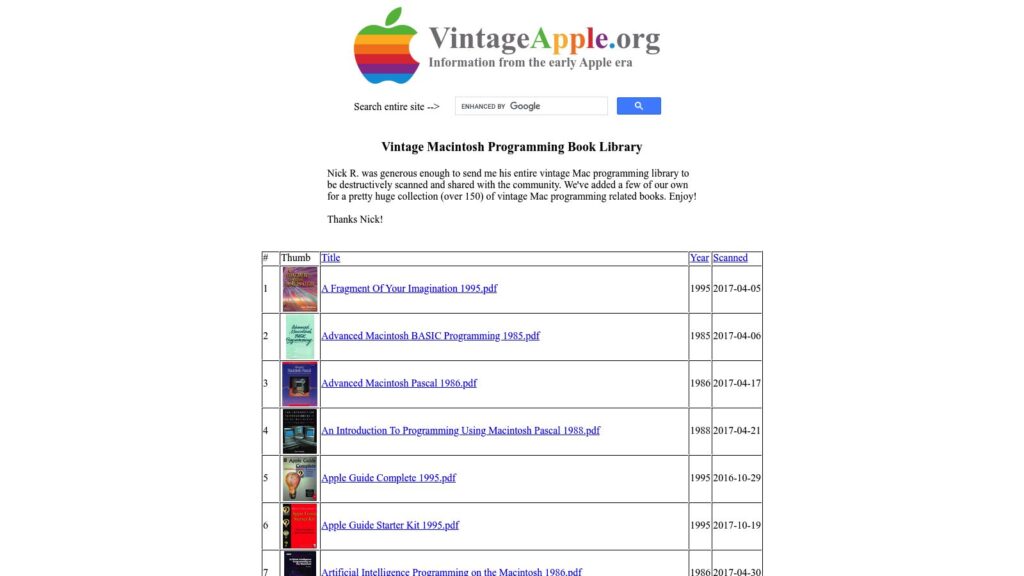
Vintage Apple site features over 150 vintage Mac programming books shared by Nick R. for community access. Collection includes titles from 1983 to 2002 on various programming languages and techniques.
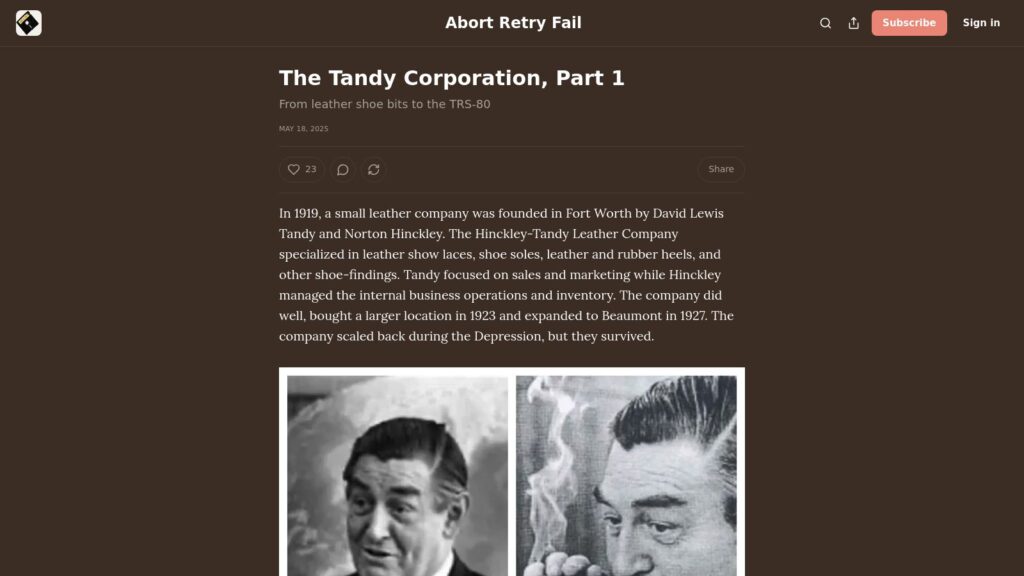
TLDR: The Tandy Corporation began in 1919 as a leather company, evolving under Charles Tandy. By acquiring Radio Shack in 1963, Tandy shifted focus to electronics, leading to the successful TRS-80 computer launch in 1977, which dominated the microcomputer market. Charles Tandy’s leadership established Tandy Corporation as a major player in retail and electronics before his death in 1978.
The Tandy Corporation, Part 1 Read More »
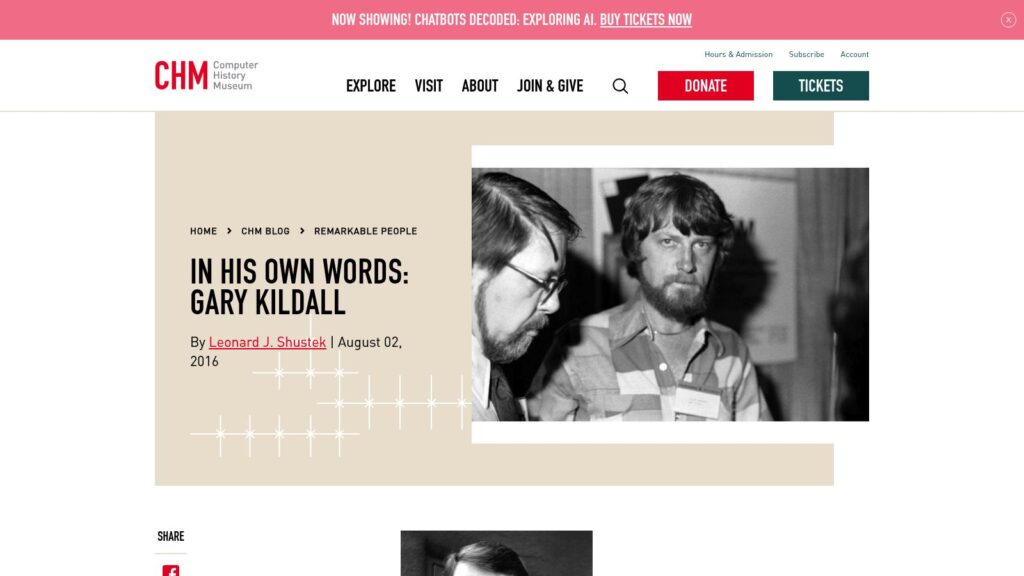
Gary Kildall, a pioneer of personal computer software, created CP/M, a dominant operating system, and founded Digital Research with his wife. Despite his contributions, including programming tools and the first CD-ROM, he remains relatively unknown. Kildall’s unpublished memoir provides insights into his vision for personal computing and his innovative spirit, emphasizing sharing ideas over profit. His legacy, shaped by personal and professional choices, highlights a different definition of success. Kildall balanced family life with work, leaving a lasting impact on the tech industry.
https://computerhistory.org/blog/in-his-own-words-gary-kildall/
In His Own Words: Gary Kildall Read More »
Extreme TLDR:
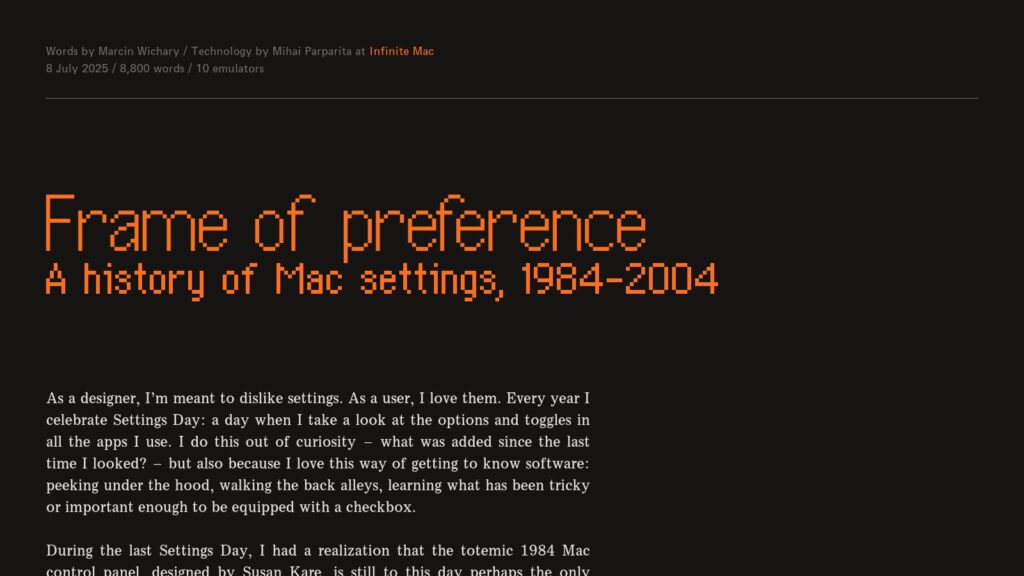
Designer Marcin Wichary reflects on Mac settings from 1984-2004, celebrating their evolution while critiquing design inconsistencies and usability struggles. Early panels were simple, charming, and user-friendly but grew cluttered and complex over the years, responding to technological advances and user demands. Key themes include the balance between aesthetics and functionality, the influence of Windows, and the challenges of maintaining design integrity in an expanding interface.
Frame of Preference Read More »
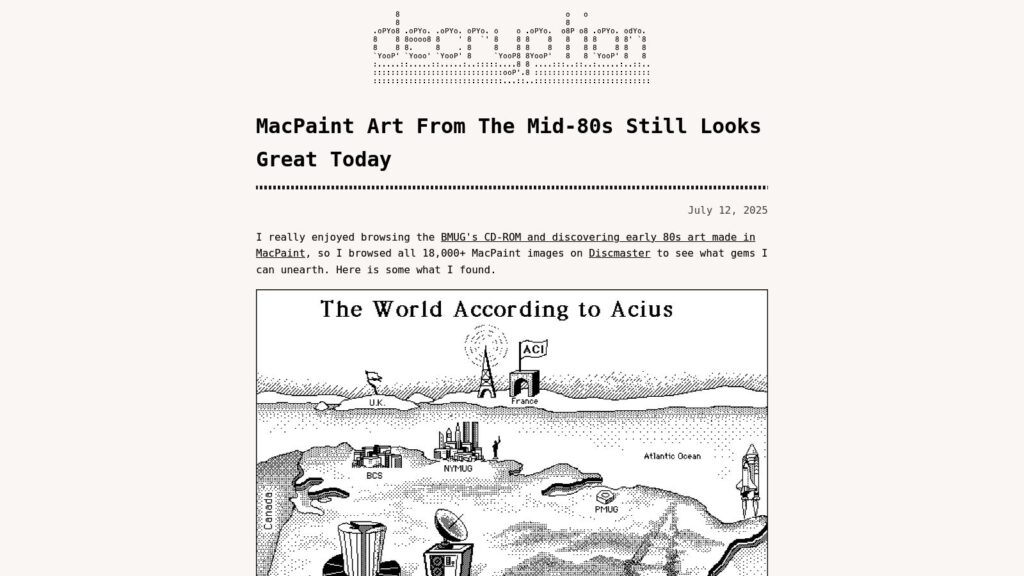
TLDR: Mid-80s MacPaint art still impresses; author explores 18,000+ images, seeking artists’ updates and plans to investigate Amiga art. Browse old graphics via Discmaster. Recommended resource: “Zen & The Art of The Macintosh.”
MacPaint Art From The Mid-80s Still Looks Great Today Read More »
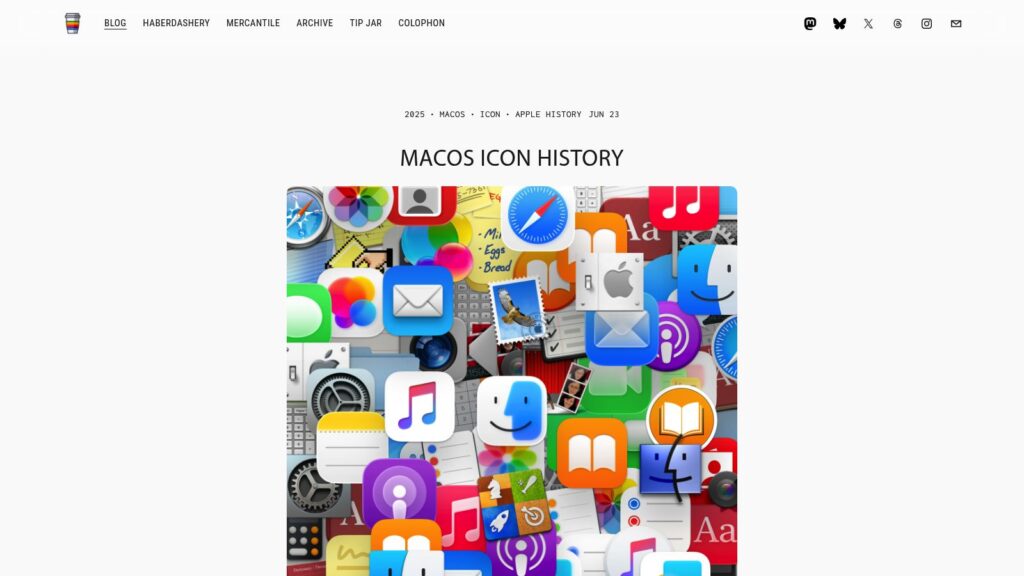
macOS icon history is chronicled, highlighting the transition to a new “Liquid Glass” design with macOS 26. Icons are rounded and no longer extend beyond their rectangles. A collection capturing the evolution of system icons will be updated throughout the summer, excluding beta icons. Recent updates include various applications added in June and July 2025.
macOS Icon History — Basic Apple Guy Read More »
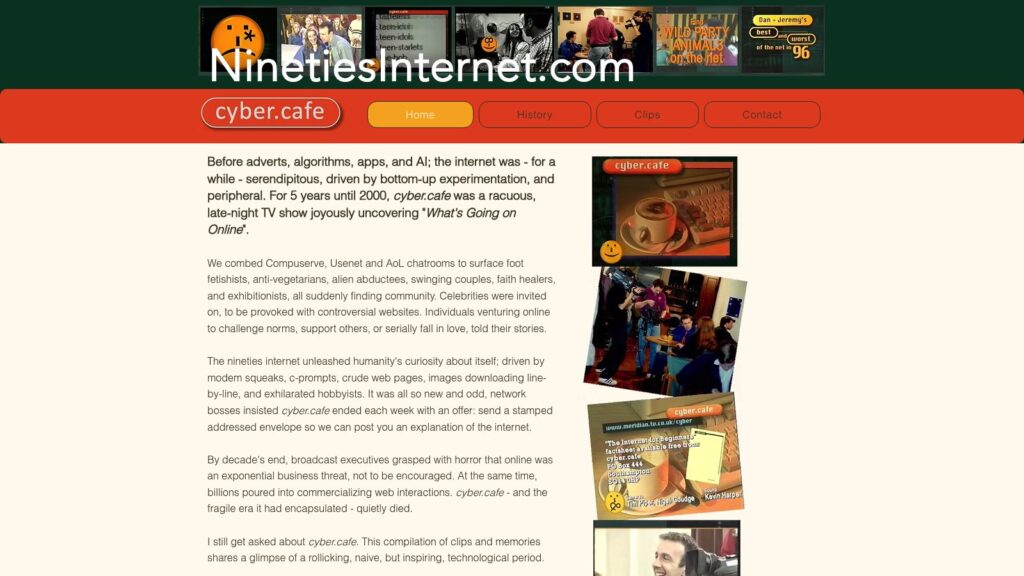
NinetiesInternet.com recalls the pre-commercial era of the internet, highlighting “cyber.cafe,” a late-night TV show from 1995 to 2000 showcasing diverse online communities. It celebrated curiosity and experimentation before commercialization took over, leading to the show’s end. The site shares clips and memories from this vibrant period of online exploration.