April 2026

Email Could Have Been X.400 Times Better
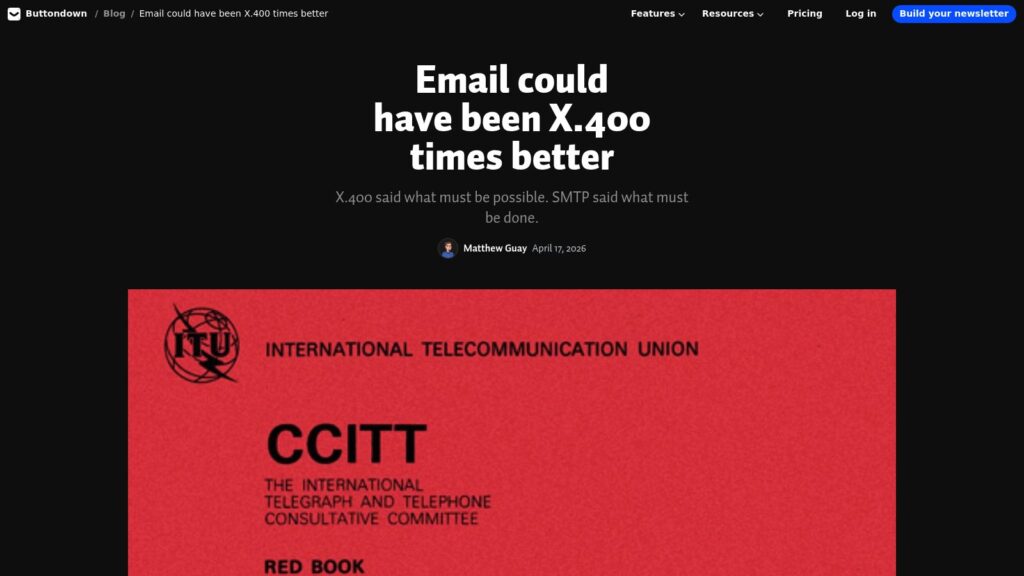
The article explores how the X.400 email standard, developed in 1984, included many advanced email features such as message recall, scheduling, encryption, and multilingual support long before SMTP-based internet email adopted them. However, due to its complex, top-down design and difficult implementation, X.400 failed to achieve widespread interoperability and usability, allowing the simpler, more adaptable SMTP protocol to become the foundation of modern email despite lacking some of X.400’s richer features.

https://buttondown.com/blog/x400-vs-smtp-email

Email Could Have Been X.400 Times Better Read More »
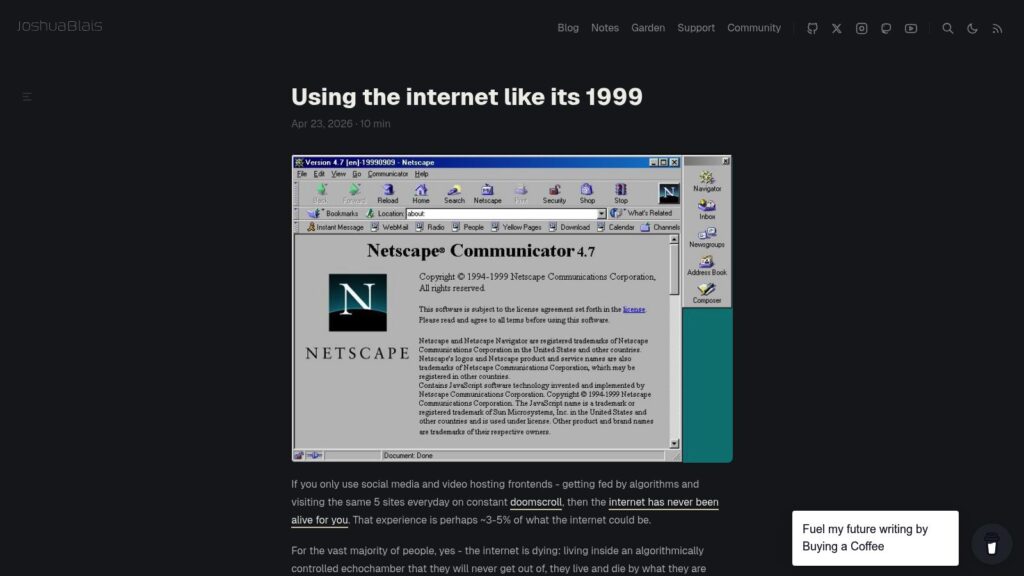
Using the Internet Like It’s 1999

The article argues that the modern internet, dominated by social media algorithms and AI-generated content, has become a less authentic, attention-extracting environment, causing users to lose true engagement and agency. It advocates for returning to an internet usage style reminiscent of 1999, focusing on protocols like RSS, IRC, and email to regain control over content consumption, prioritize real human interaction, and reduce reliance on manipulative platforms. This approach aims to revive a more genuine and sovereign internet experience, countering the current trend of distraction and artificiality.

https://joshblais.com/blog/using-the-internet-like-its-1999/

Using the Internet Like It’s 1999 Read More »

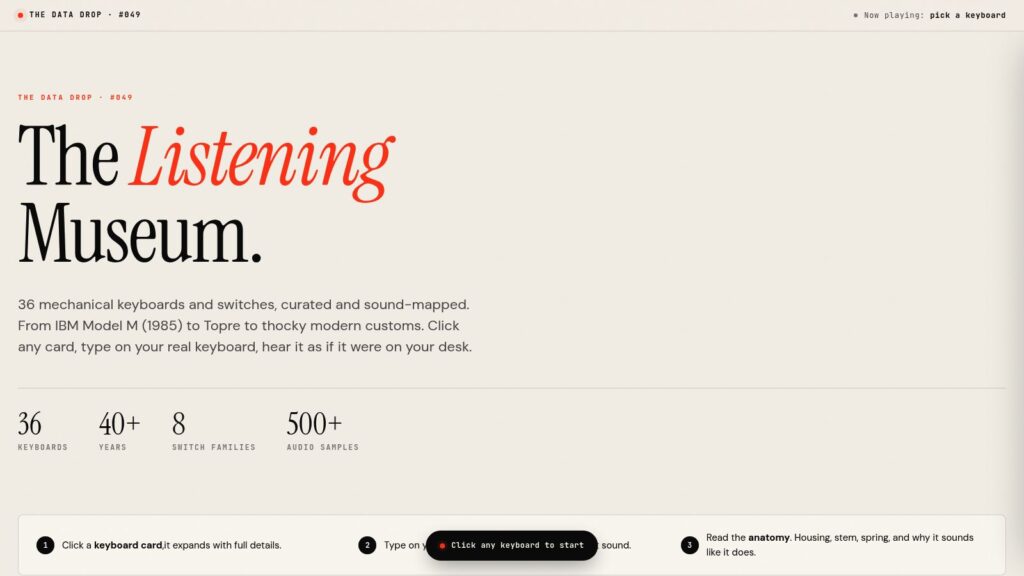
The Listening Museum — 36 Keyboards, Sound-Mapped

The Data Drop presents “The Listening Museum,” an interactive collection of 36 mechanical keyboards and switches spanning over 40 years and 8 switch families, featuring more than 500 audio samples. Users can click on any keyboard card to explore detailed information, then type on their own keyboard to hear corresponding sounds, offering a curated audio experience sourced from the open mechanical keyboard community to illustrate the diverse acoustics of different keyboard designs.

https://sheets.works/data-viz/keyboard-sounds

The Listening Museum — 36 Keyboards, Sound-Mapped Read More »

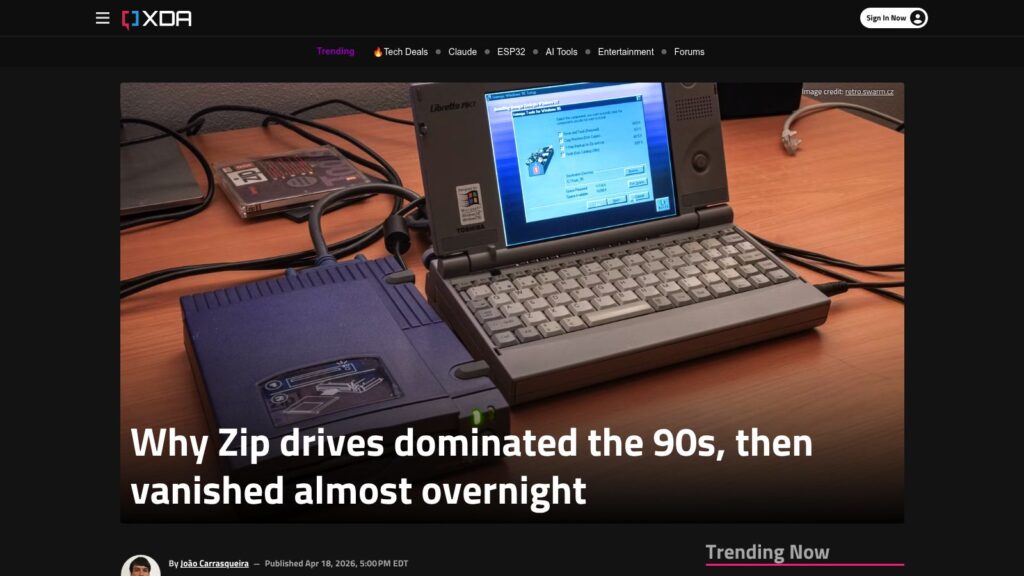
Why Zip Drives Dominated the 90s, Then Vanished Almost Overnight

Zip drives revolutionized portable storage in the 1990s by offering significantly higher capacity (starting at 100MB) and faster speeds than traditional floppy disks, becoming popular with users and PC manufacturers like Dell and Apple. However, reliability issues known as the “click of death,” combined with the rise of cheaper and more versatile formats like CDs and USB flash drives, led to the rapid decline and eventual disappearance of Zip drives from the market by the early 2000s.

https://www.xda-developers.com/zip-drives-dominated-90s-vanished-almost-overnight/

Why Zip Drives Dominated the 90s, Then Vanished Almost Overnight Read More »

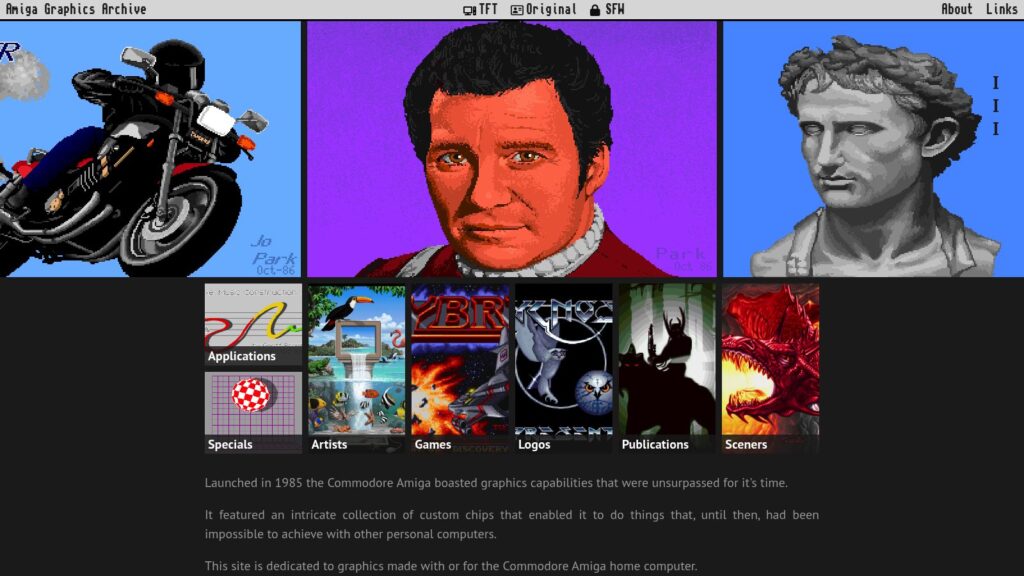
Amiga Graphics Archive

The Amiga Graphics Archive is a dedicated website showcasing the remarkable graphics created with or for the Commodore Amiga, a home computer launched in 1985 known for its advanced graphics capabilities. The site features a rich collection of images, articles, and updates highlighting the art, games, applications, and artists associated with the Amiga platform, preserving the legacy of its unique custom chip technology and its impact on digital art and gaming.

https://amiga.lychesis.net/

Amiga Graphics Archive Read More »

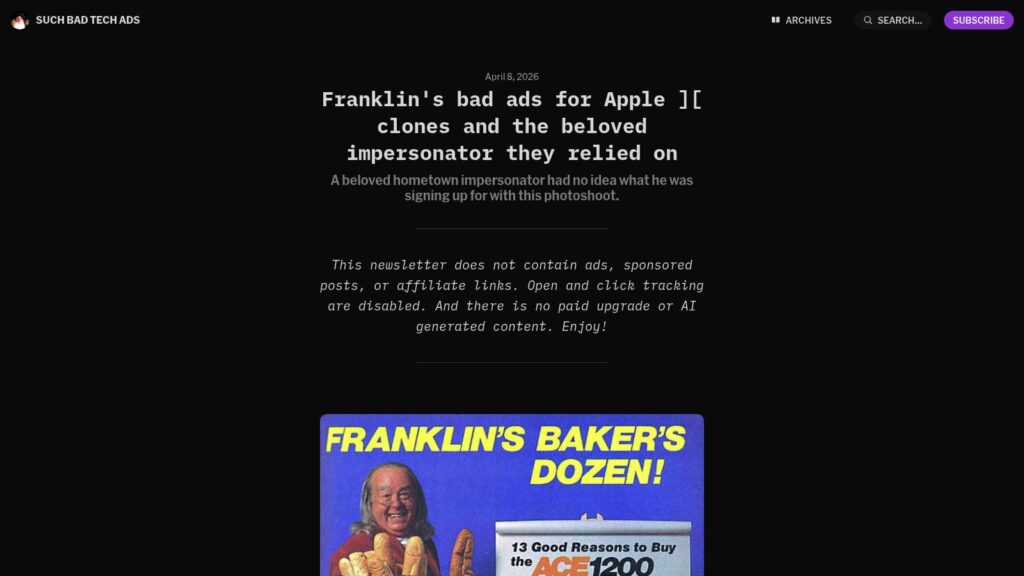
Franklin’s Bad Ads for Apple ][ Clones and the Beloved Impersonator They Relied On

Franklin Computer Corporation built Apple ][ clones in the early 1980s, notably the ACE 100 series, which closely copied Apple’s designs including BIOS code, leading to legal battles. Their marketing featured the beloved Benjamin Franklin impersonator Ralph Archbold, whose image became closely tied to Franklin’s trademark despite the company’s controversial cloning practices. Though Franklin’s products were popular for their affordability and durability, the company eventually shifted away from desktop computers to handheld devices by the late 1980s.

https://buttondown.com/suchbadtechads/archive/franklin-ace-1000/

Franklin’s Bad Ads for Apple ][ Clones and the Beloved Impersonator They Relied On Read More »

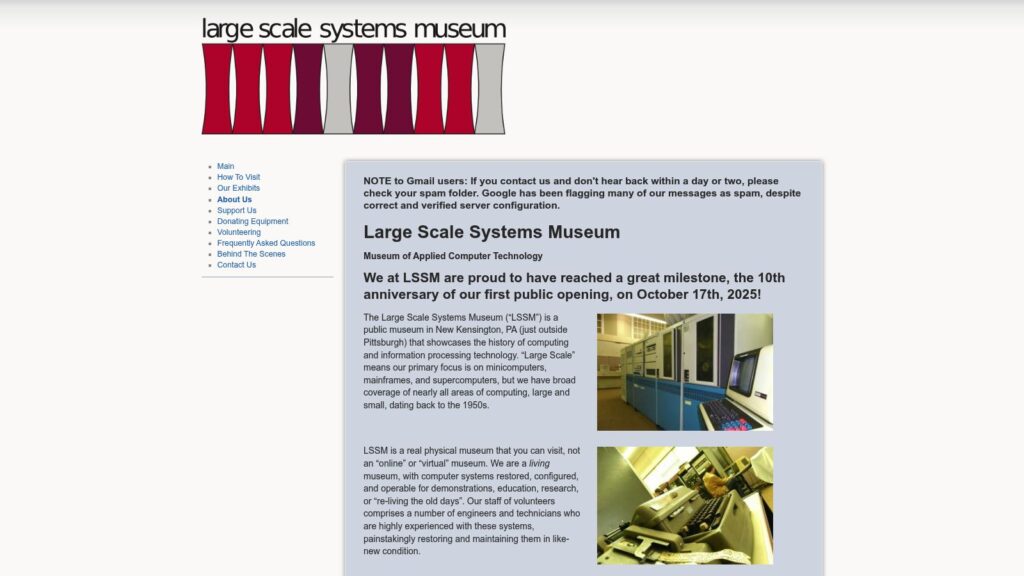
Large Scale Systems Museum / Museum of Applied Computer Technology

The Large Scale Systems Museum (LSSM) in New Kensington, PA, celebrates its 10th anniversary in 2025 as a public museum dedicated to the history of computing, focusing on minicomputers, mainframes, and supercomputers from the 1950s onward. As a physical, living museum, it features fully restored and operational computer systems maintained by experienced volunteers for demonstrations, education, and research, highlighting computing’s profound impact on modern life.

https://www.mact.io/start

Large Scale Systems Museum / Museum of Applied Computer Technology Read More »

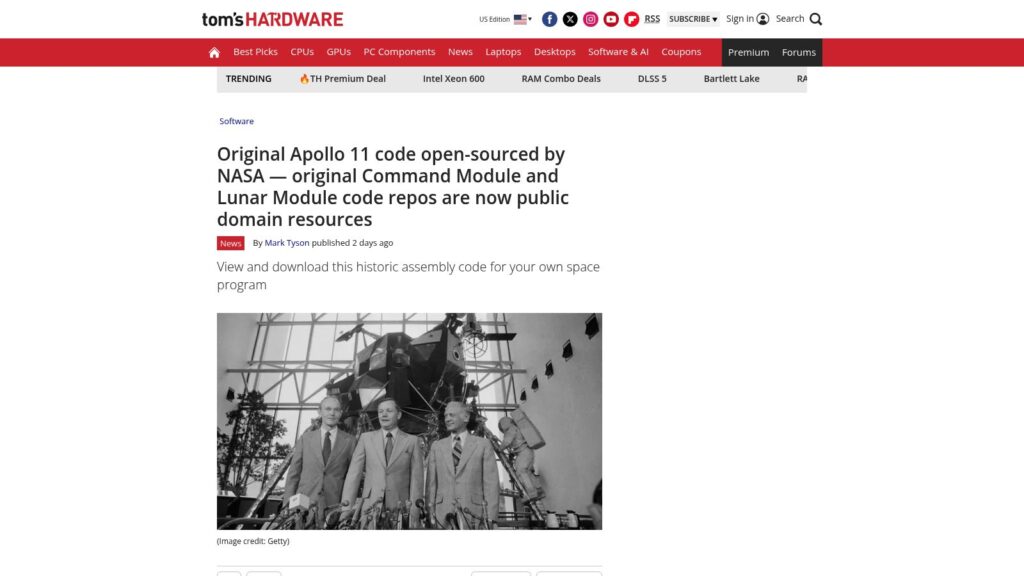
Original Apollo 11 Code Open-Sourced by NASA — Original Command Module and Lunar Module Code Repos Are Now Public Domain Resources

The article reports that NASA has made the original Apollo 11 guidance computer software publicly available, including separate codebases for the Command Module and Lunar Module. The release allows people to study and run the historic assembly-language programs that helped guide the first Moon landing under extremely limited computing resources. The main point is that opening this code preserves an important part of computing history and highlights the efficiency and engineering required for early space missions.

https://www.tomshardware.com/software/original-apollo-11-code-open-sourced-by-nasa-original-command-module-and-lunar-module-code-repos-are-now-public-domain-resources

Original Apollo 11 Code Open-Sourced by NASA — Original Command Module and Lunar Module Code Repos Are Now Public Domain Resources Read More »

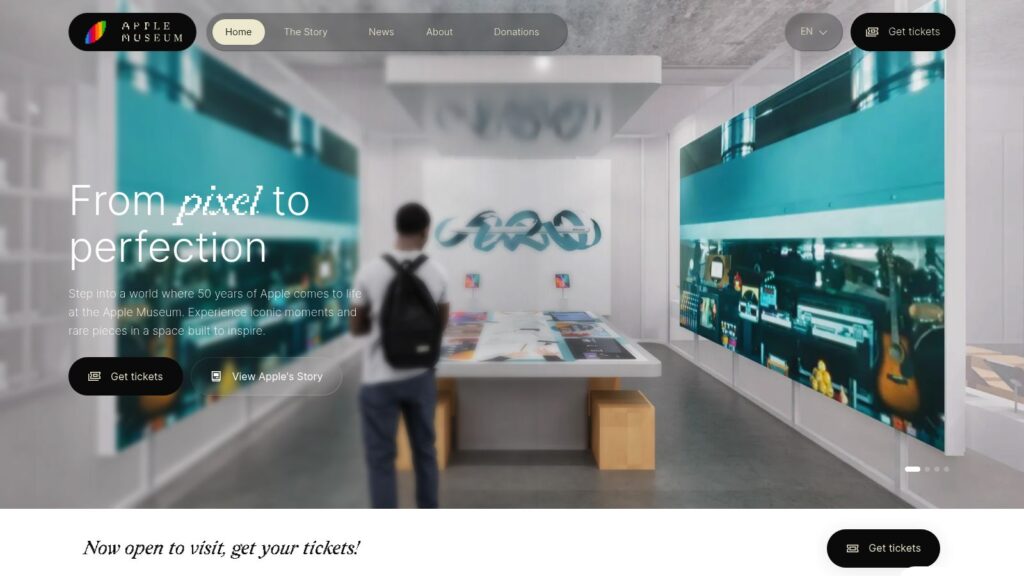
50 Years of Apple Innovation

The Apple Museum in Utrecht, Netherlands, showcases 50 years of Apple’s innovation through a curated collection that traces the company’s history from the original Apple I computer to modern devices like the Apple Watch. Opened in 2026, the museum offers visitors an immersive experience highlighting key moments and iconic products that have shaped personal computing and technology.

https://applemuseum.nl/

50 Years of Apple Innovation Read More »

Scroll to Top