Computer Replicas as Time Capsules

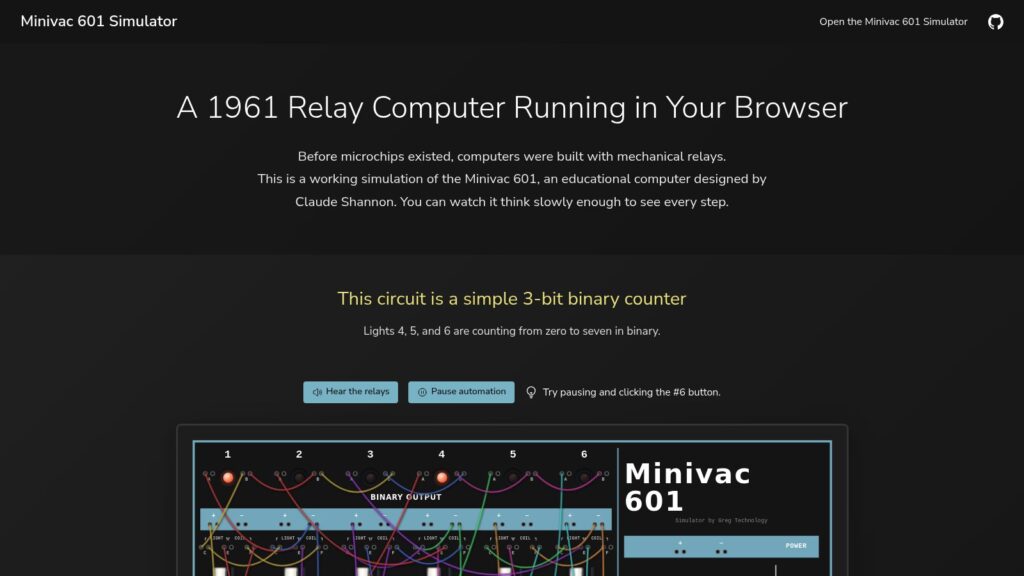
Computer Replicas as Time Capsules: Obsolescence Guaranteed creates functional replicas of historic computers, preserving their legacy through hands-on experiences. Projects span significant milestones in computing history from the 1950s to 1970s, focusing on interactive computing and foundational technologies. Future projects aim to explore earlier computing innovations, ensuring the preservation of computer history.

https://obsolescence.dev/

Computer Replicas as Time Capsules Read More »

A History of the Internet, Part 2: The High-tech Gold Rush Begins

TLDR: The Internet’s evolution in the ’90s saw the rise of the World Wide Web, introducing browsers like Mosaic and Netscape, amid the dot-com boom. Innovations like hypertext, email, and graphical interfaces spurred rapid online growth. However, the bubble burst in the early 2000s, leading to significant market declines despite earlier exuberance. The next article will explore companies that emerged post-collapse.

https://arstechnica.com/gadgets/2025/06/a-history-of-the-internet-part-2-the-high-tech-gold-rush-begins/

A History of the Internet, Part 2: The High-tech Gold Rush Begins Read More »

Manx

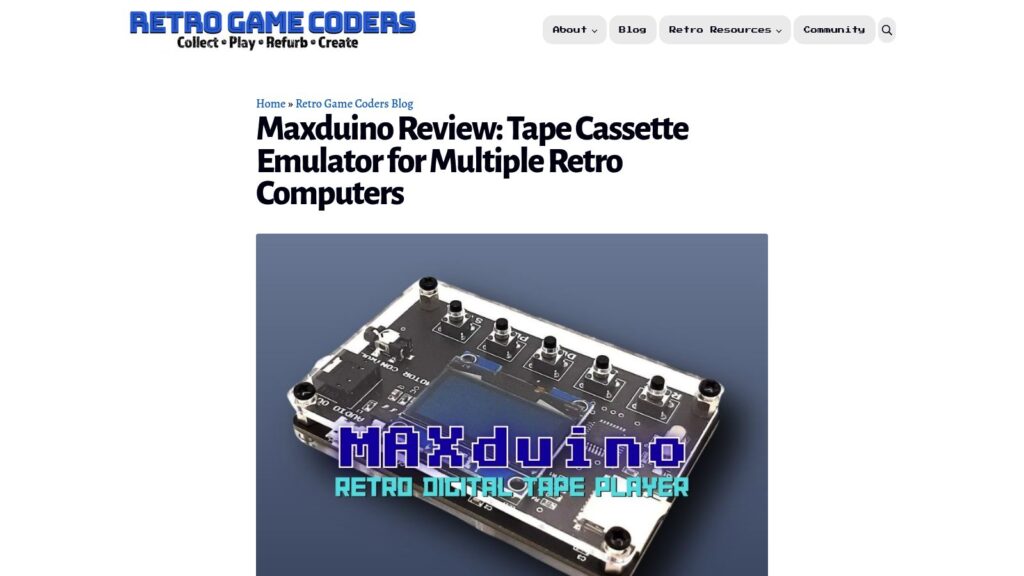
Manx is an open-source catalog of manuals for vintage computers, particularly minicomputers and mainframes. It hosts 22,165 manuals, with 10,104 available online across 61 websites. Many manuals are not easily discoverable via search engines due to limited text conversion. The search engine allows queries by part numbers, titles, and keywords. Users can contribute additional manuals or information. Key contributors include Paul Williams (original implementation) and Richard Thomson (current maintainer).

https://manx-docs.org/about.php

Manx Read More »

Still Booting After All These Years: The People Stuck Using Ancient Windows Computers

Many people still rely on outdated Windows systems, experiencing everyday challenges due to aging technology. Examples include ATMs operating on Windows XP and trains using Windows 3.11. Organizations often avoid upgrades for cost and complexity reasons. While some users find this technology frustrating, others, like those in creative fields, value the unique experiences provided by legacy systems. The persistence of old software highlights Microsoft’s historical impact and raises concerns about cybersecurity and knowledge transfer issues in a tech-forward world.

https://www.bbc.com/future/article/20250516-the-people-stuck-using-ancient-windows-computers

Still Booting After All These Years: The People Stuck Using Ancient Windows Computers Read More »

From: Steve Jobs. “Great Idea, Thank You.”

Steve Jobs sent an email to new NeXT Systems Engineer Steve Hayman, replying “Great idea, thank you” after Hayman naively set up an email alias for Jobs’ address ([email protected]) to his own. Initially panicking over misdirected emails, Hayman corrected the alias back to Jobs and explained his mistake, receiving a cherished written acknowledgment from Jobs. Hayman reflects on this unique interaction and his career, which began with Jobs and ended with Tim Cook.

https://blog.hayman.net/2025/05/06/from-steve-jobs-great-idea.html

From: Steve Jobs. “Great Idea, Thank You.” Read More »

A Brief History of the Numeric Keypad

Numeric keypad history: Originated from calculators and cash registers, with different layouts (e.g., 9-0 for calculators and 1-3 for phones) due to ergonomic choices, technological constraints, and user familiarity. Key innovations include Jean-Baptiste Schwilgué’s 1844 calculator, Felt’s Comptometer (1884), and Sundstrand’s 3×3 layout (1914). The evolution influenced phone designs, maintaining familiarity in modern devices. Keypad design reflects historical patterns and user preferences.

https://www.doc.cc/articles/a-brief-history-of-the-numeric-keypad

A Brief History of the Numeric Keypad Read More »

GitHub – maurymarkowitz/101-BASIC-Computer-Games: Type-in Programs From the Original 101 BASIC Computer Games, in Their Original DEC and Dartmouth Dialects. No, This Is *not* the Same as BASIC Computer Games.

Type-in programs from original 101 BASIC Computer Games in DEC and Dartmouth dialects; not the same as BASIC Computer Games. This collection showcases various programming styles and dialects, with some programs running in RetroBASIC.

https://github.com/maurymarkowitz/101-BASIC-Computer-Games

GitHub – maurymarkowitz/101-BASIC-Computer-Games: Type-in Programs From the Original 101 BASIC Computer Games, in Their Original DEC and Dartmouth Dialects. No, This Is *not* the Same as BASIC Computer Games. Read More »

Understanding the Origins and the Evolution of Vi & Vim

Vi and Vim Origins: Vi and Vim’s history parallels open-source software’s evolution. Key players and events shaped these UNIX text editors. George Coulouris created “em” at Queen Mary University in 1976, addressing frustrations with the line editor “ed”. Bill Joy developed Vi inspired by “em” after improving “ex” for full-screen editing at UC Berkeley. Vim, initially “Vi IMitation,” began as a clone of Stevie for the Amiga in 1988. Over 30 years, Vim evolved into a powerful tool with a vibrant community, boasting numerous features and plugins, still frequently used in programming today.

https://pikuma.com/blog/origins-of-vim-text-editor

Understanding the Origins and the Evolution of Vi & Vim Read More »

Cyberpunk 1958: The Early Days of the Polish IT Industry

Polish IT history highlights significant female contributions and innovative designs from the communist era. Women mathematicians played key roles in early programming, with teams often comprising a third female members, achieving notable successes. Polish computers, like the Odra series, faced challenges but facilitated various applications. Despite initial successes, state inefficiencies stunted development, leading to reliance on imported parts. While local programming languages like Loglan’82 emerged, they struggled against global trends. Ultimately, Poland’s IT legacy is marked by both ingenuity and obstacles.

https://culture.pl/en/article/cyberpunk-1958-the-early-days-of-the-polish-it-industry

Cyberpunk 1958: The Early Days of the Polish IT Industry Read More »

Scroll to Top