design

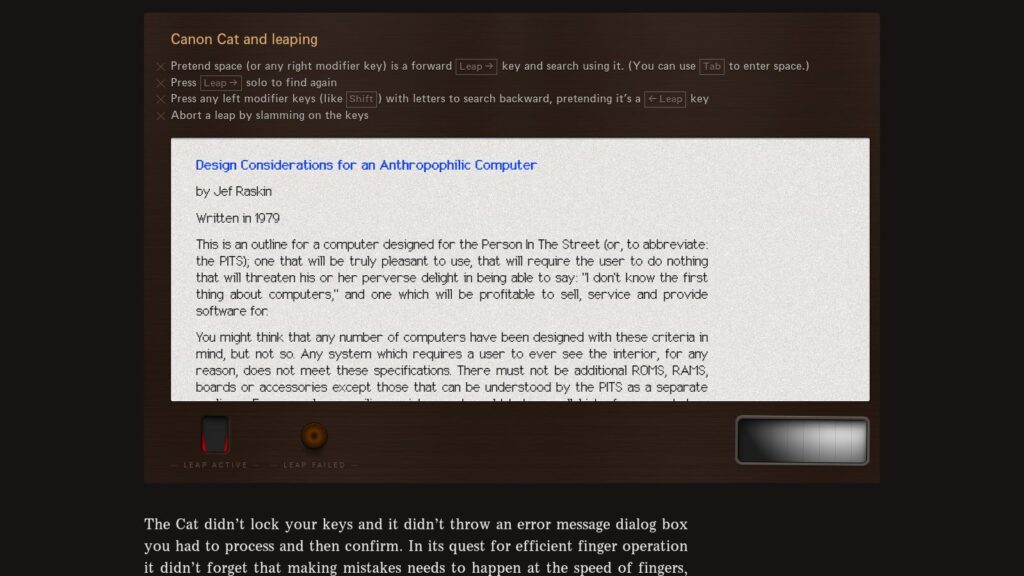
Show Your Hands Honor for the Strange Power They Bring You

The article explores the historical evolution of keyboard design and interaction, emphasizing how human finger capabilities often outpace software responsiveness. It highlights the importance of designing interfaces that respect the speed and independence of finger movements by minimizing latency, optimizing feedback, and carefully managing buffering and loading states to create a seamless, “finger-time” experience. Integrating lessons from early typewriters, modern UI design must honor motor memory and overlapping finger actions to enhance productivity and user satisfaction.

https://aresluna.org/show-your-hands-honor/#canon-cat

Show Your Hands Honor for the Strange Power They Bring You Read More »

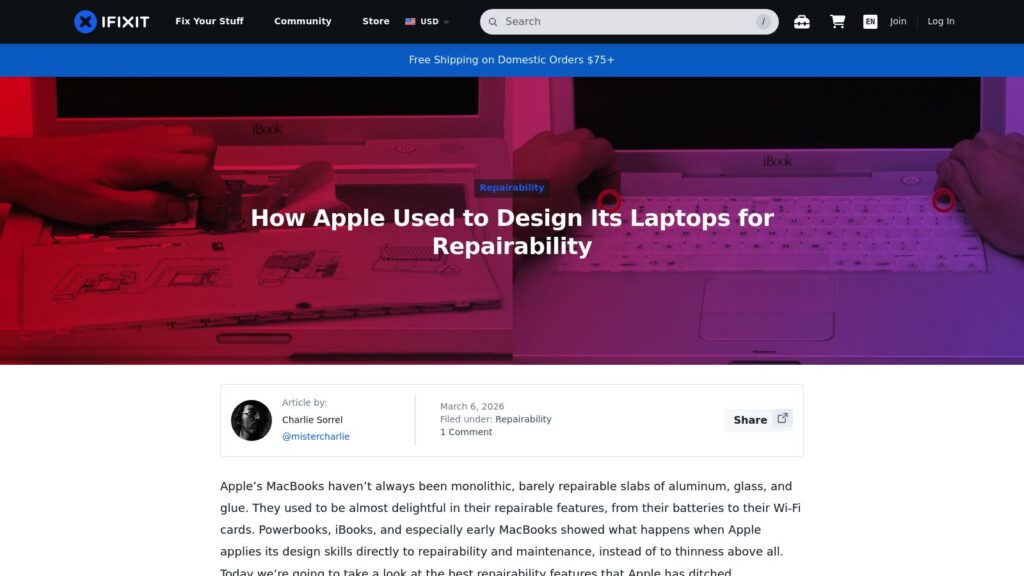
Macbook Neo Shows How Far Apple’s Repairability Design Has Fallen

iFixit offers guides, forums, teardowns, and a repair assistant for fixing items. It promotes community involvement and the Right to Repair movement, while providing a range of quality parts and tools in its store. The article discusses how Apple’s early laptops were designed for repairability, featuring easily replaceable keyboards, batteries, RAM, and storage, in contrast to current models that prioritize design over maintenance. The need for modular components is emphasized as essential for longevity and usability, especially in a rapidly evolving tech landscape.

https://www.ifixit.com/News/115995/how-apple-used-to-design-its-laptops-for-repairability

Macbook Neo Shows How Far Apple’s Repairability Design Has Fallen Read More »

The Windows® 95 User Interface: a Case Study in Usability Engineering

Windows 95’s user interface development involved an interdisciplinary team focusing on iterative design and usability testing. Aimed at enhancing user experience for both beginners and advanced users, the team applied usability engineering principles to address design challenges. The process consisted of exploration, rapid prototyping, and fine-tuning, which allowed for flexibility and continuous improvement based on user feedback. Key findings led to significant design changes, ensuring the interface was intuitive and efficient. The project relied heavily on problem tracking to resolve usability issues, achieving a high fix rate due to team dedication. Ultimately, the iterative approach was crucial for creating a user-friendly operating system that met diverse user needs.

https://dl.acm.org/doi/fullHtml/10.1145/238386.238611

The Windows® 95 User Interface: a Case Study in Usability Engineering Read More »

The Engineering Design Revolution

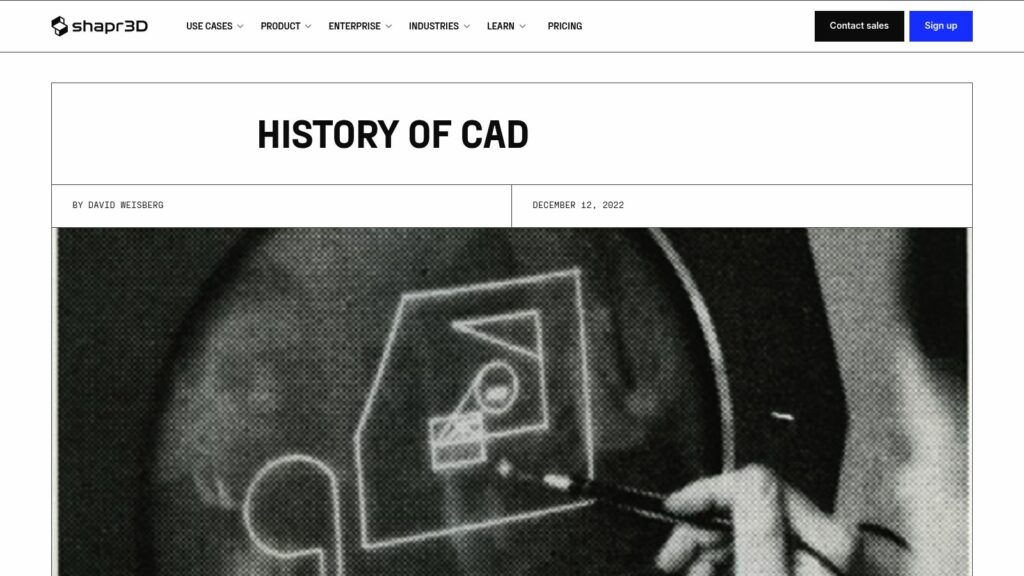
Shapr3D offers a comprehensive CAD platform for design, manufacturing, and prototyping teams, featuring intuitive modeling, effective collaboration, and integration with leading technologies like Apple Vision Pro. The platform provides resources for various industries, such as automotive and consumer goods, and it also hosts “The Engineering Design Revolution” by David E. Weisberg, detailing the CAD industry’s history over 80 years. The book is accessible online for free, with contributions encouraged towards cancer research.

https://www.shapr3d.com/blog/history-of-cad

The Engineering Design Revolution Read More »

Screen Saver History: Why Boring Black Screens Won Out

TLDR: Screen savers, initially designed to prevent screen burn-in, evolved from simple dimming functions to whimsical animations, like flying toasters, in the 90s. While their cultural significance has declined, their legacy continues in modern technology, often without need for the graphics they once showcased. Today, devices like smartphones utilize simpler forms of screen management, reflecting a shift away from the classic screen saver concept.

https://tedium.co/2025/01/12/screen-saver-history/

Screen Saver History: Why Boring Black Screens Won Out Read More »

Scroll to Top