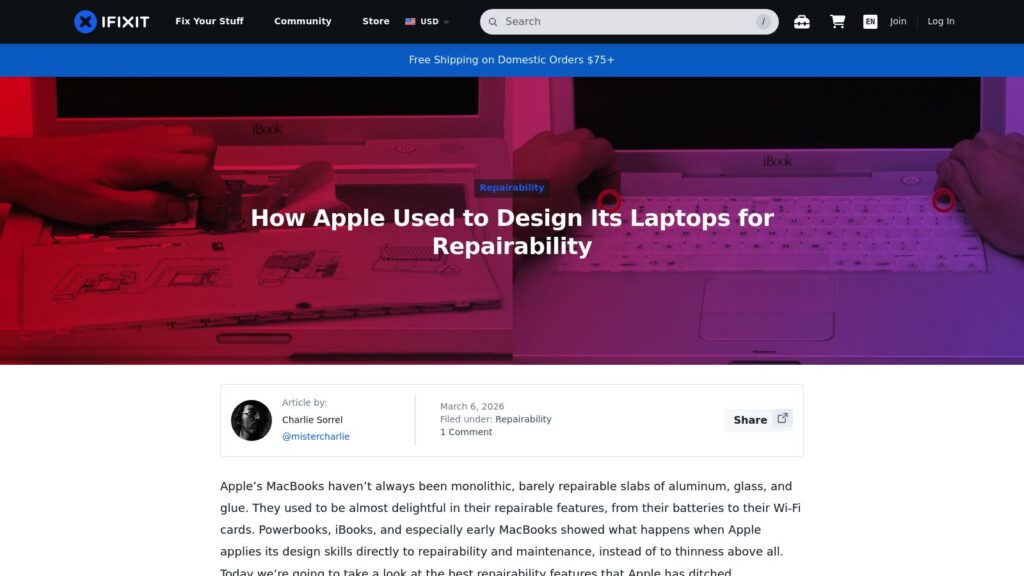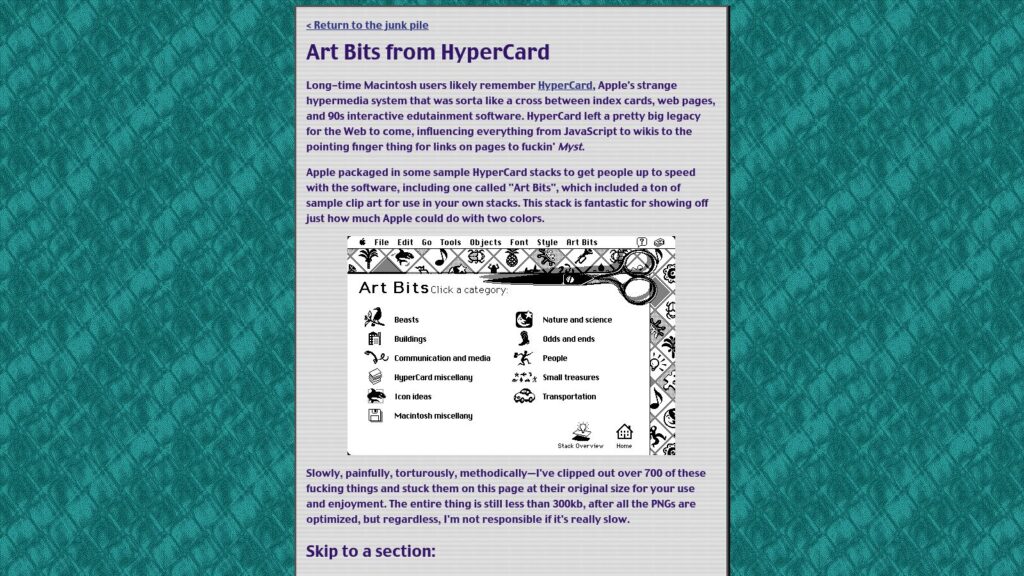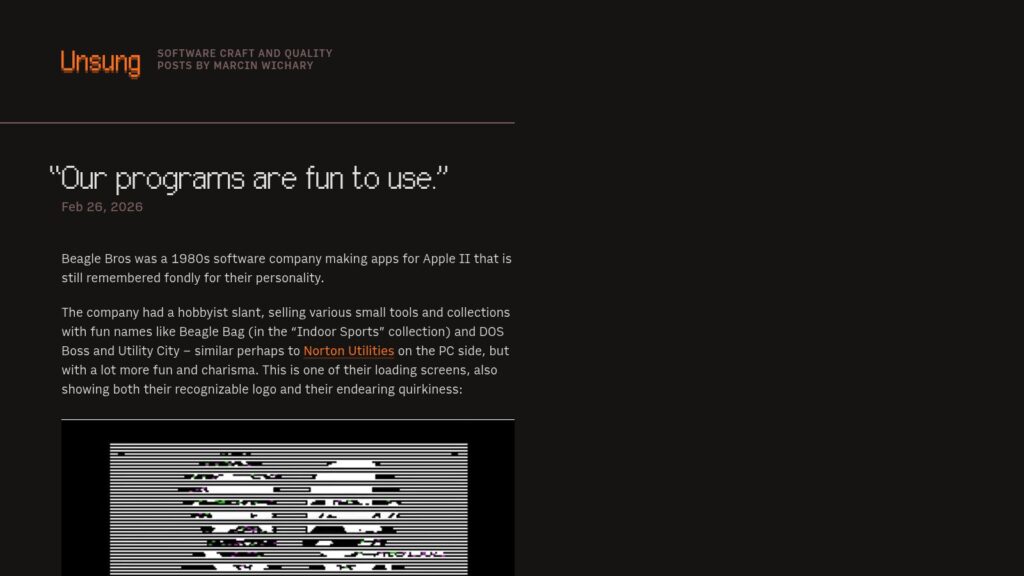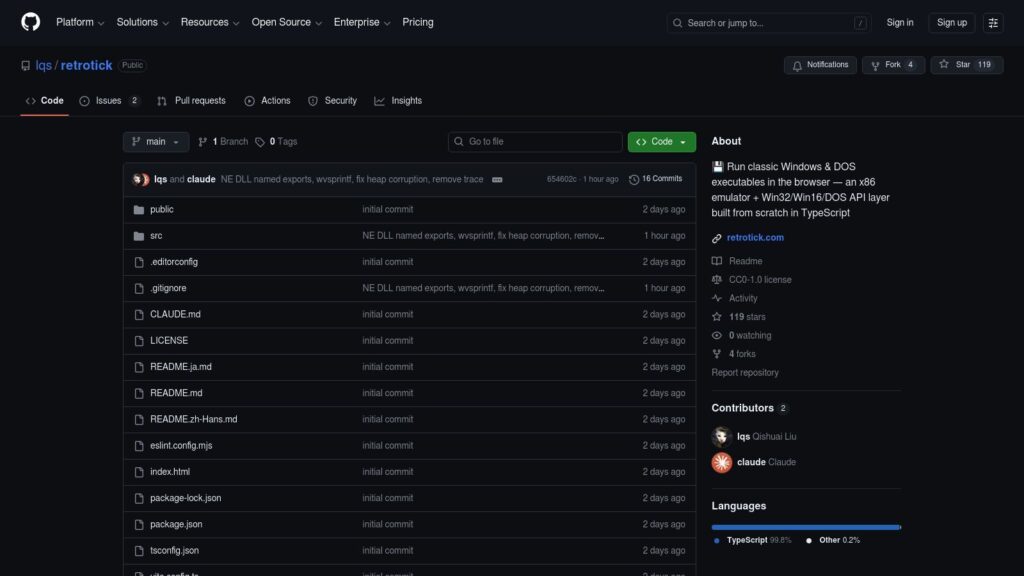
Explaining, at Some Length, Techmeme’s 20 Years of Consistency

Techmeme celebrates its 20th anniversary as a consistent news aggregator for the tech industry, linking key reports and social media perspectives. Despite challenges like paywalls and social media fragmentation, it remains a shared resource amidst evolving media landscapes. The site plans to enhance participation, customization, and expansion while recognizing that journalism continues to play a crucial role in tech news.

https://news.techmeme.com/250912/20-years

Explaining, at Some Length, Techmeme’s 20 Years of Consistency Read More »

52 Year Old Data Tape Could Contain Unix History • The Register

Tape containing the original Unix Fourth Edition, believed to be from the 1970s, discovered at the University of Utah. If recoverable, it may provide vital historical data, including the first Unix version written in C. The tape will be delivered to the Computer History Museum for analysis.

https://www.theregister.com/2025/11/07/unix_fourth_edition_tape_rediscovered/

52 Year Old Data Tape Could Contain Unix History • The Register Read More »

The Microsoft SoftCard for the Apple II: Getting Two Processors to Share the Same Memory

Microsoft’s Z-80 SoftCard allowed Apple II users to run CP/M software by utilizing a secondary Zilog Z80 processor, facilitating memory sharing and enabling coexistence with the existing 6502 processor. The SoftCard remapped memory to avoid conflicts and included a detailed manual for programming, including challenges of managing interrupts and memory addresses.

https://devblogs.microsoft.com/oldnewthing/20251104-00/?p=111758

The Microsoft SoftCard for the Apple II: Getting Two Processors to Share the Same Memory Read More »

Mr TIFF

Author John Buck chronicles his quest to credit inventors behind technology, notably Stephen Carlsen, creator of TIFF. Despite initial anonymity, Buck’s persistence led him to Carlsen, who shaped the standard while at Aldus. Tragically, Carlsen passed away before full recognition could be achieved. Buck updated TIFF’s Wikipedia entry, giving Carlsen the acknowledgment he deserves: “created by Stephen Carlsen, an engineer at Aldus.”

https://inventingthefuture.ghost.io/mr-tiff/

Mr TIFF Read More »

Floppy Disk / Diskettes // Retrocmp / Retro Computing

Overview of diskettes includes types (8″, 5.25″, 3.5″, 3″), sectoring distinctions (hard/soft), and write protection features. Also covers index holes, examples from various systems, product lists from 3M and boeder, and links to documents, manuals, and external sources about floppy disk technology.

https://retrocmp.de/fdd/diskette/diskette.htm

Floppy Disk / Diskettes // Retrocmp / Retro Computing Read More »

Amiga prototype “Lorraine” at the Amiga 40

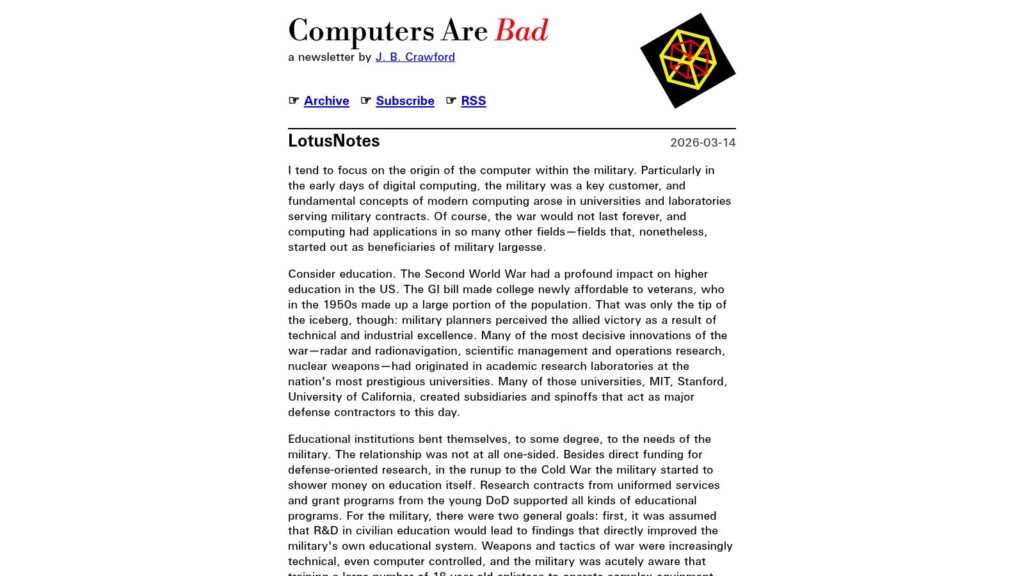
The earliest Amiga prototype, known as Lorraine and built from three sizable breadboard stacks, was displayed publicly at the Amiga 40 event in Germany. Maintained by original team member Dale Luck, it was shown in Germany for the first time, with event photos provided and published by Amiga user ‘Pittrock.’

https://www.amiga-news.de/en/news/AN-2025-10-00110-EN.html

Amiga prototype “Lorraine” at the Amiga 40 Read More »

History of Internet: Ubiquity’s Seamless Web

The Internet has evolved through 7 phases:

  1. Original Internet: 1970s connection of computer networks enabling collaboration.
  2. Mobile Internet: 2000s portability via smartphones connecting billions.
  3. Internet of Things (IoT): All devices interconnected, enhancing various sectors.
  4. Internet of AI Agents: Active AI systems shaping economies through interaction.
  5. Internet of Senses: Multisensory experiences and integrated perception.
  6. Ubiquitous Internet: Seamless global connectivity across remote areas.
  7. Quantum Internet: Future connectivity with quantum communication enhancing security and capabilities.

Each phase builds on the last, transforming how we connect and interact with technology, ultimately leading to an intelligent and universally accessible digital landscape.

https://spectrum.ieee.org/history-of-internet-7-phases

History of Internet: Ubiquity’s Seamless Web Read More »

How to Speak to a Computer

Joseph Weizenbaum created ELIZA in 1964, an early chatbot simulating therapy by reflecting users’ statements. Unexpectedly, users grew emotionally attached to ELIZA, projecting human traits onto it. Fast forward to 2022, OpenAI’s ChatGPT made AI accessible, rapidly gaining over 100 million users. Now, chatbots serve complex roles including romantic partners and therapists, prompting ethical considerations. The history of AI spans symbolic and statistical approaches, leading to today’s language models, which are statistical products of vast datasets rather than explicit rules. Metaphorical interfaces, such as the desktop metaphor for personal computers, enhance user understanding of technology. ChatGPT leverages conversation as its guiding metaphor, allowing intuitive interaction with AI.

https://www.personalcanon.com/p/how-to-speak-to-a-computer

How to Speak to a Computer Read More »

Felipap/sicp-code: Digitized Code From MIT’s 1986 SICP Video Lectures.

Digitized code from MIT’s 1986 SICP lectures by Sussman and Abelson, aimed to improve readability of poorly visualized code in videos. Contains transcription of lecture content, marked for clarity, with notes and corrections for better comprehension.

Visit the repository for resources and discussions.

https://github.com/felipap/sicp-code

Felipap/sicp-code: Digitized Code From MIT’s 1986 SICP Video Lectures. Read More »

Scroll to Top